Make room on your
kitchen counter.
A crowded counter. A place for the things on it. Space to use again.
A counter, reset.
Go straight to the guide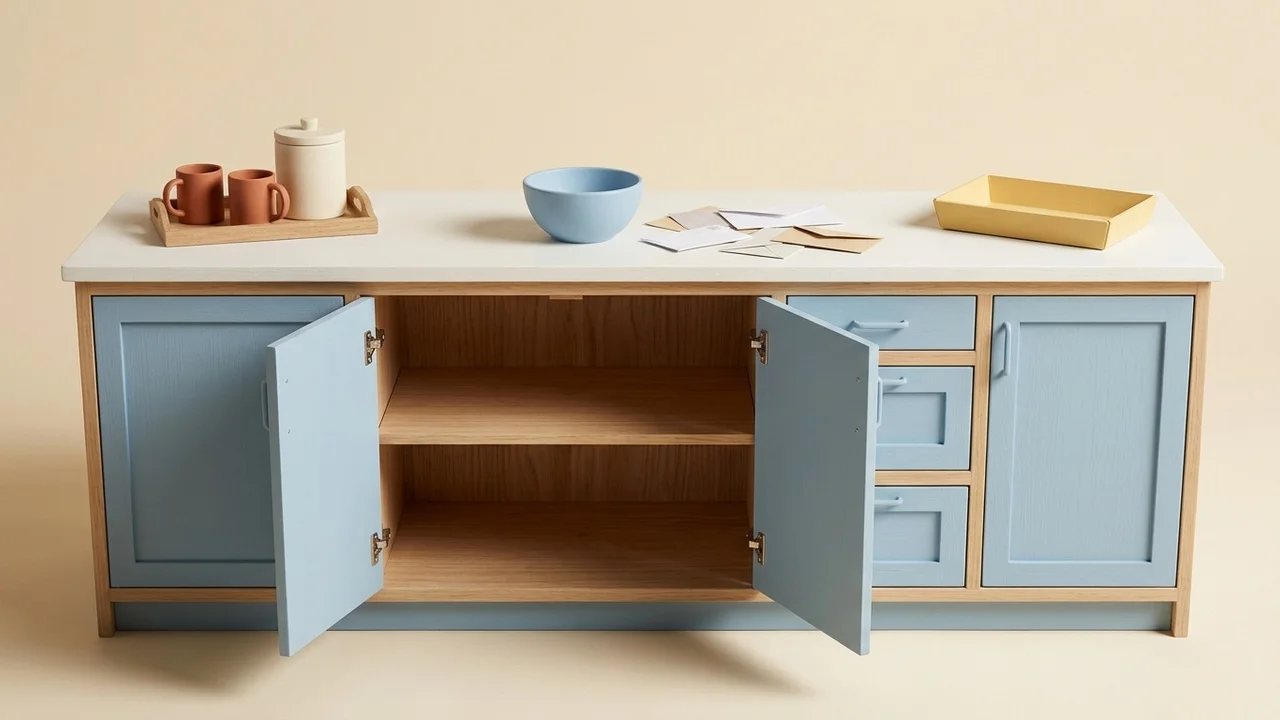
The task needs space
Make room for
the next task.
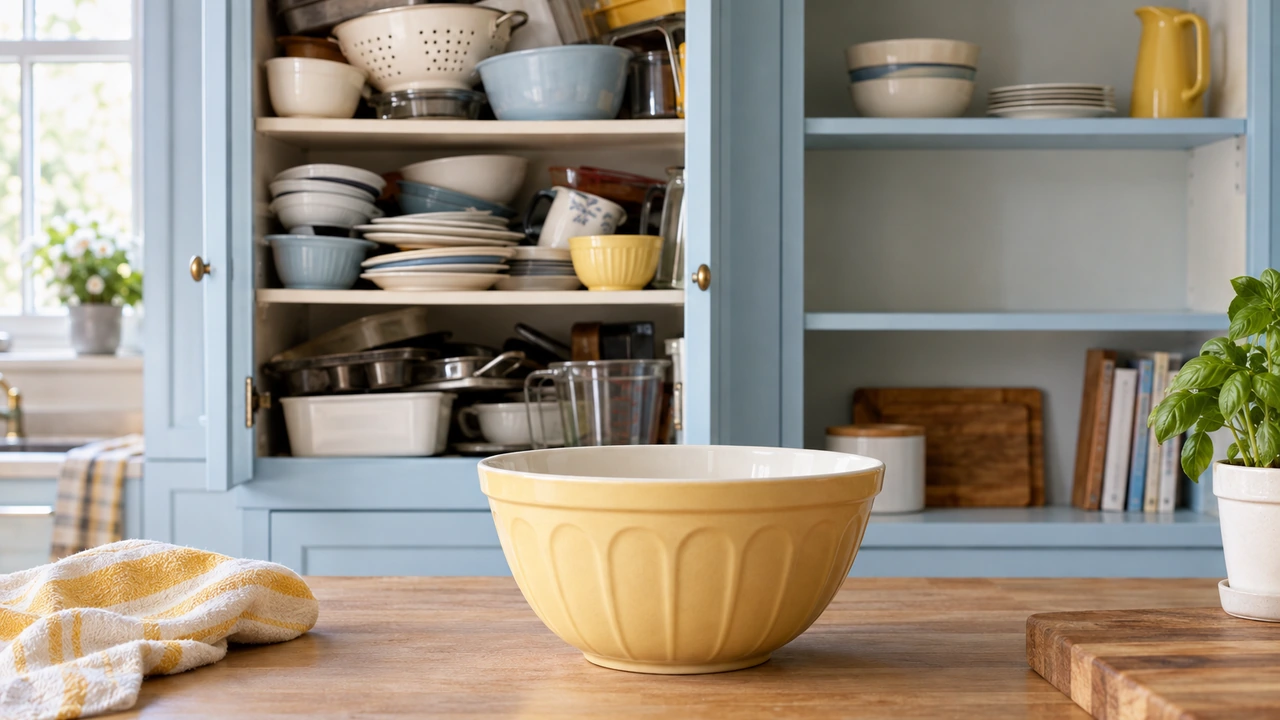
The bowl and incoming papers share the middle of this counter. Start by choosing the area you want available.
The bowl goes in the cabinet. Papers have a tray.
Give each thing
a place to go.
Moving things aside just moves the question. Choose a specific return place for the objects you don’t need here.
The mugs stay. The middle is available.
Useful things stay.
Working space returns.
This counter still has things on it. The change is a clear place for the next task, with a home for what moved.
A place for each thing In this kitchen
- The bowl
- In the cabinet
- Incoming papers
- In the tray
- Everyday mugs
- Stay together
In this example, the bowl returns to the cabinet, papers go into a tray and the mugs stay together on the left. Your return places can be different.
Try it with one thing
on your counter.
Kitchen
A kitchen you can use.
Make working space, find what you have and give everyday things a place.
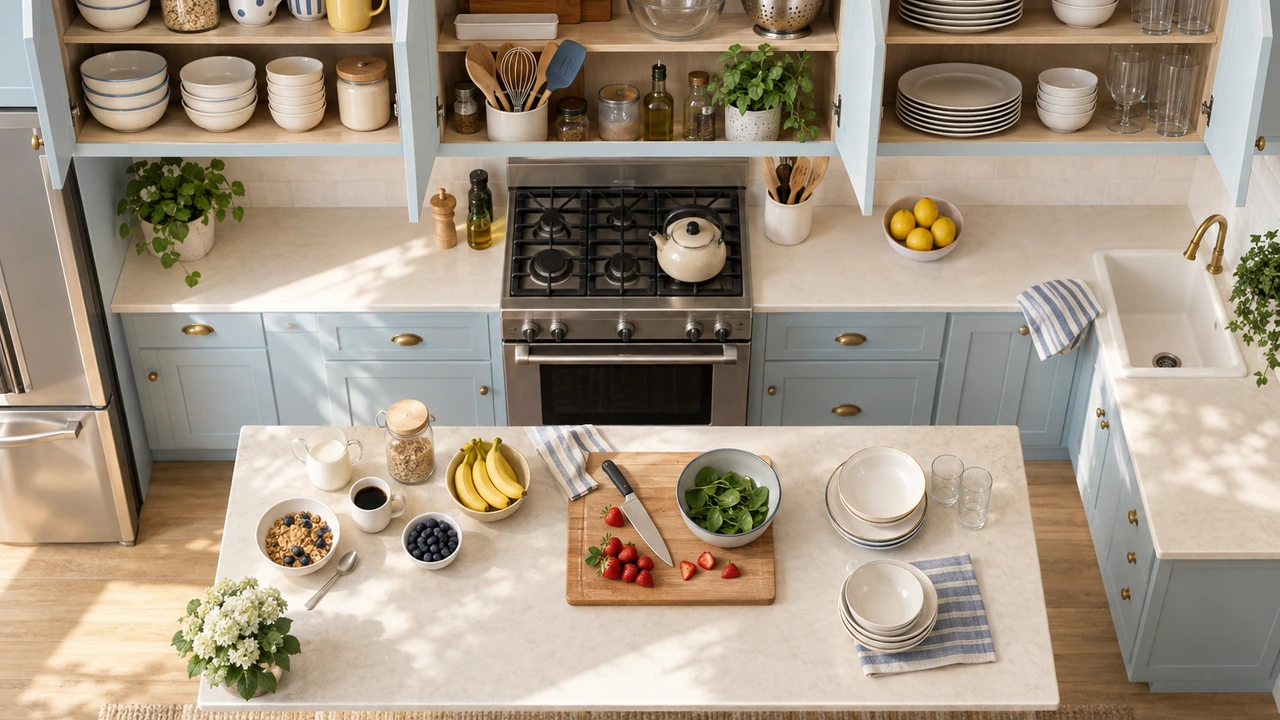
Map a kitchen around the tasks you actually do
Draw a kitchen map around breakfast, food preparation and putting dishes away, then test one cabinet change before moving everything.
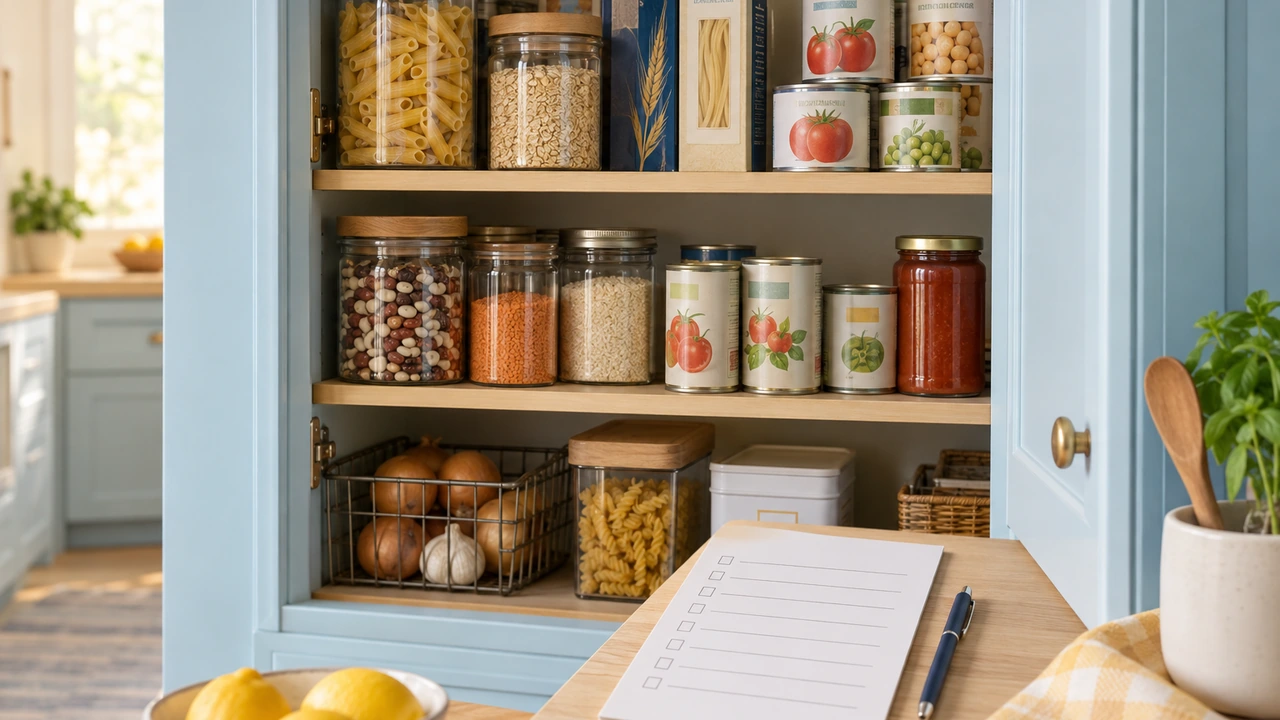
See what is in the pantry before making a shopping list
Take a pantry inventory one shelf at a time, record quantities honestly and use the result to check a shopping list.
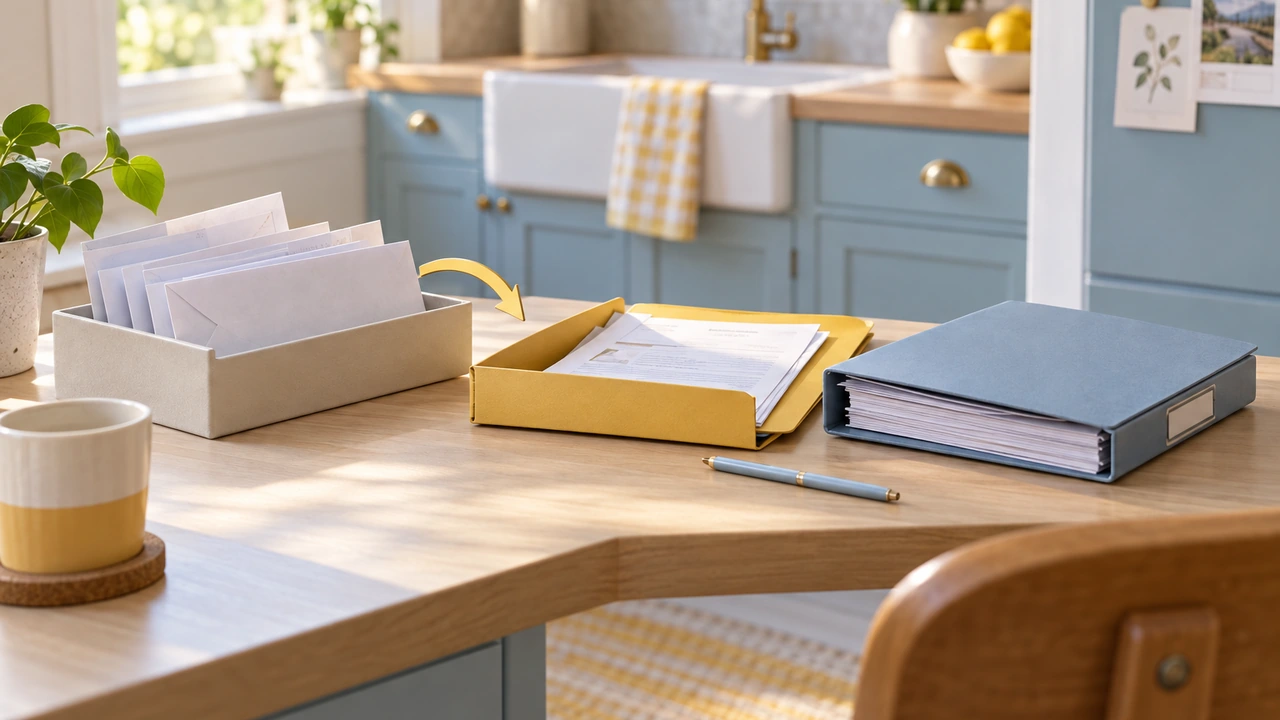
Keep household paperwork from taking over the kitchen
Create a clear route for incoming household paper, from arrival to an assigned action and a separate reference home.
Laundry
From the basket to put away.
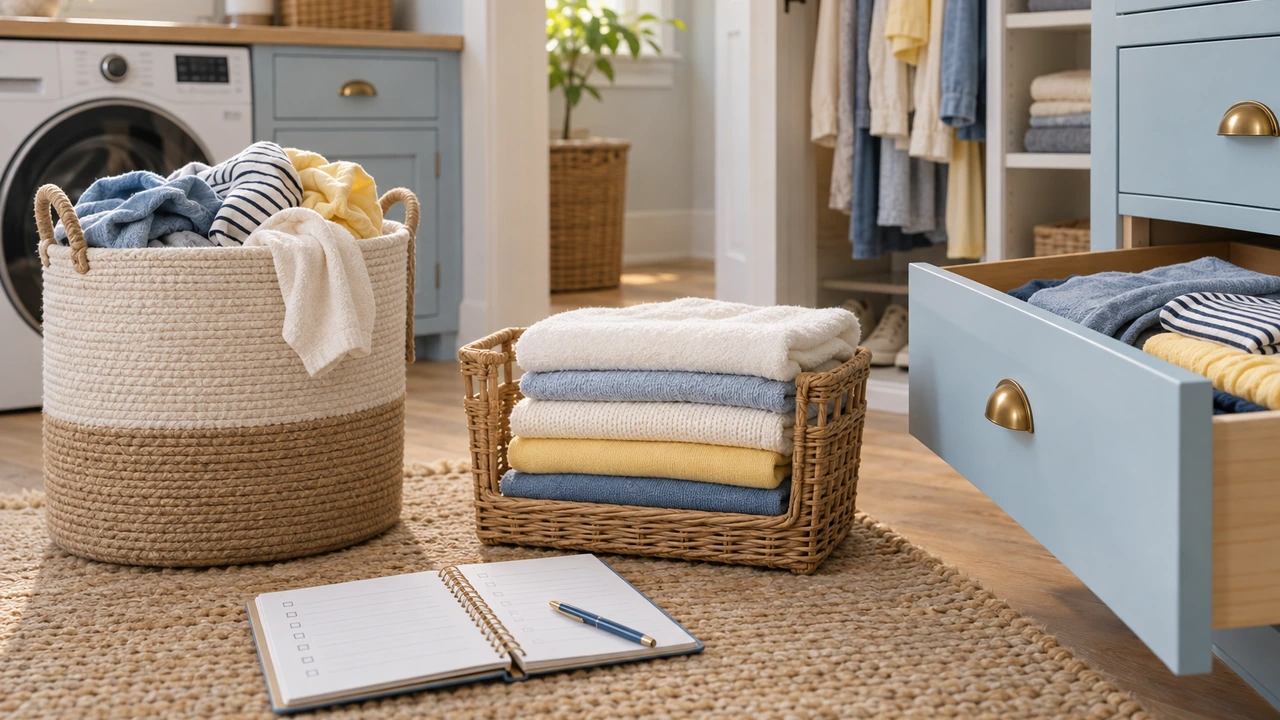
Read the label, plan the handoffs and get clothes back where they belong.
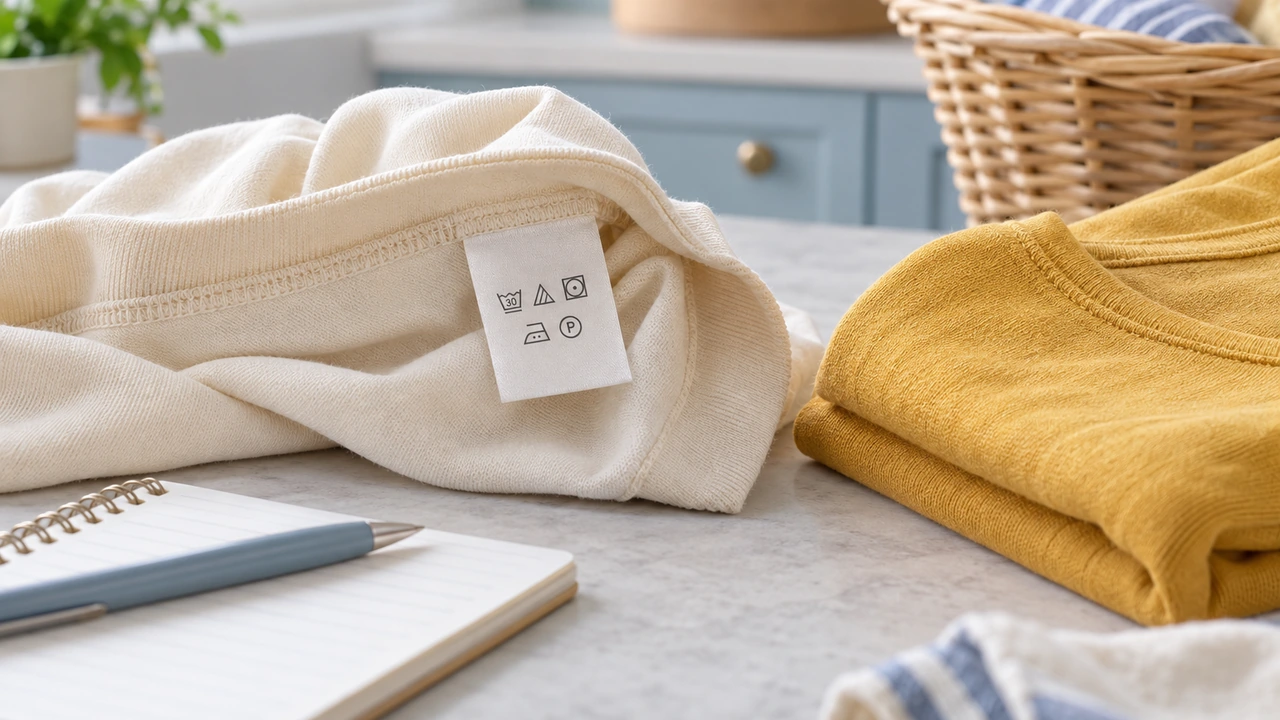
Read a clothing care label before sorting
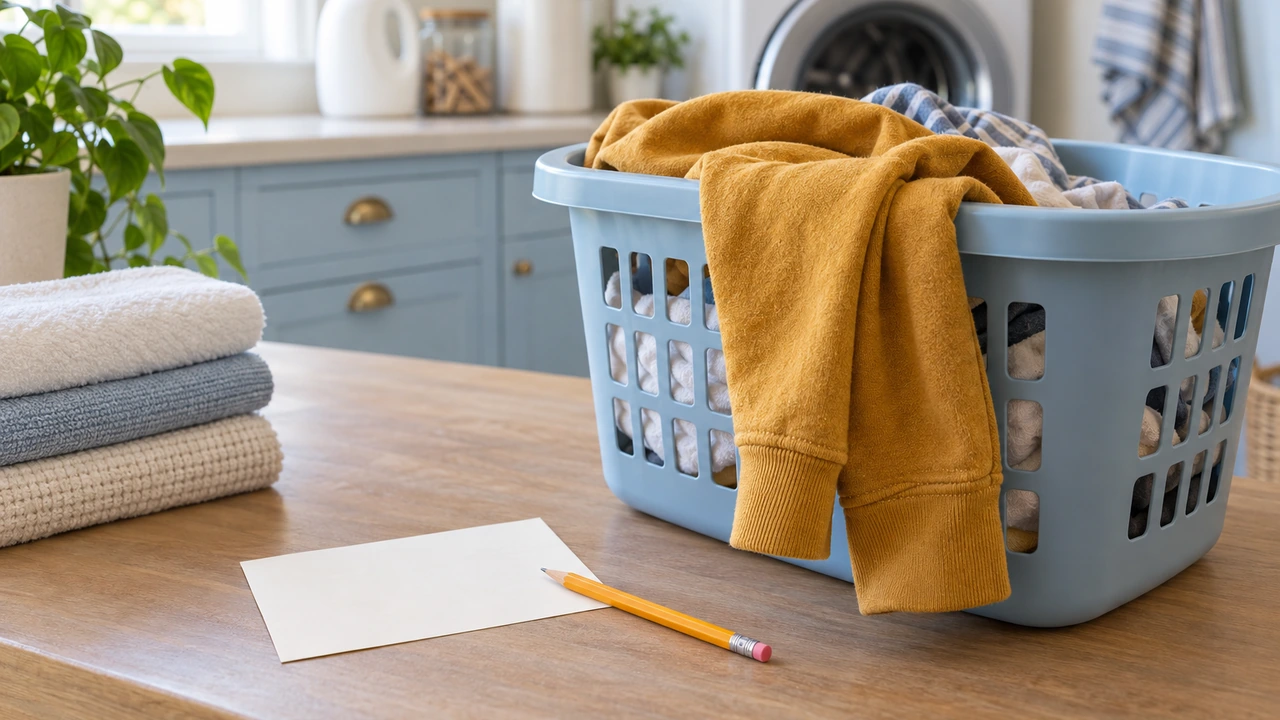
Read the whole garment tag, separate its instructions, and record what you need to resolve before sorting a laundry basket.
Find where the laundry process is getting stuck
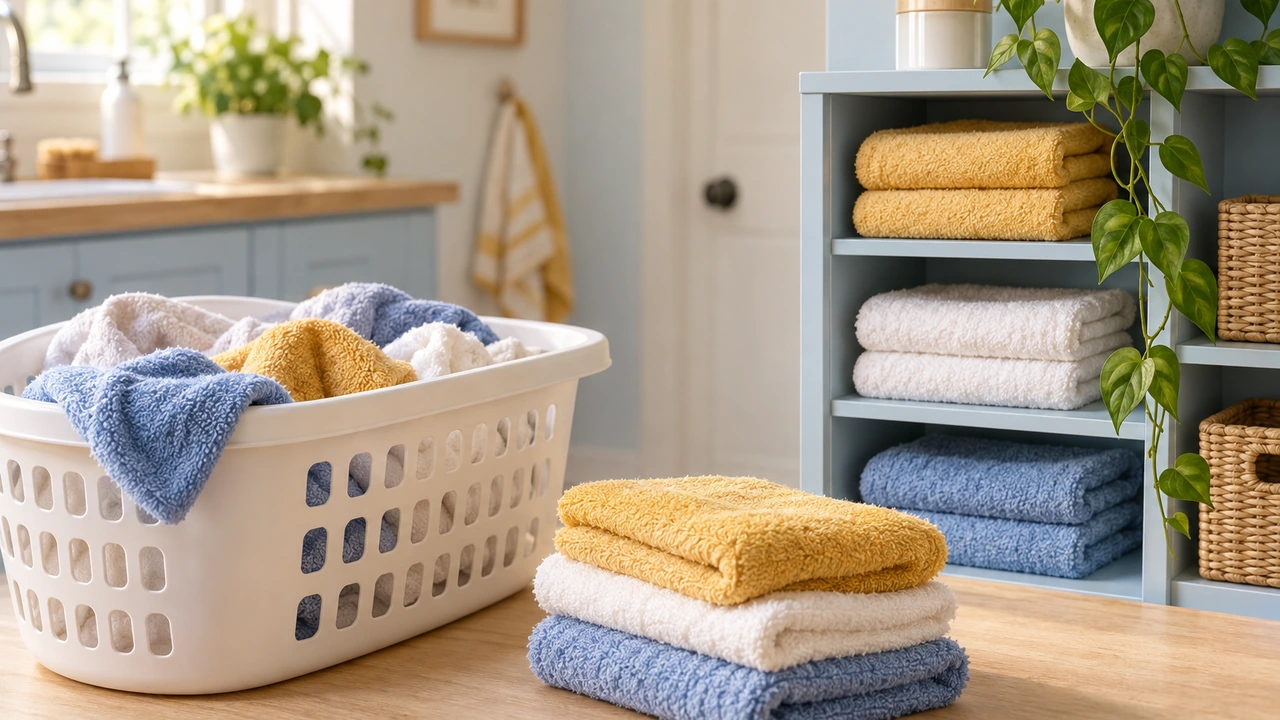
Map laundry from hamper to closet and identify the specific unfinished handoff before changing the whole routine.
Prepare a laundry handoff for another adult
Make a laundry handoff another adult can use, with recognizable items, the actual stage, copied instructions and unresolved questions.
Storage
A place for what you keep.
Work with the space you already have. Make belongings easier to find and return.
Create an entryway landing place using existing space
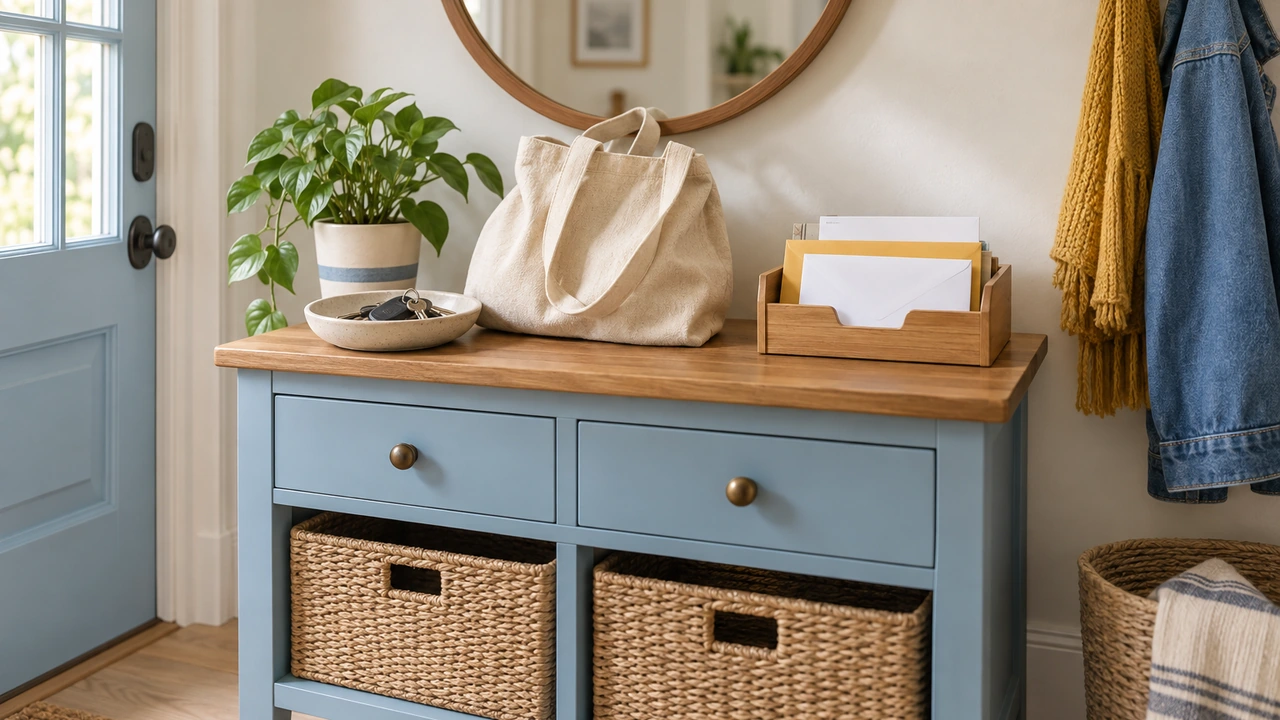
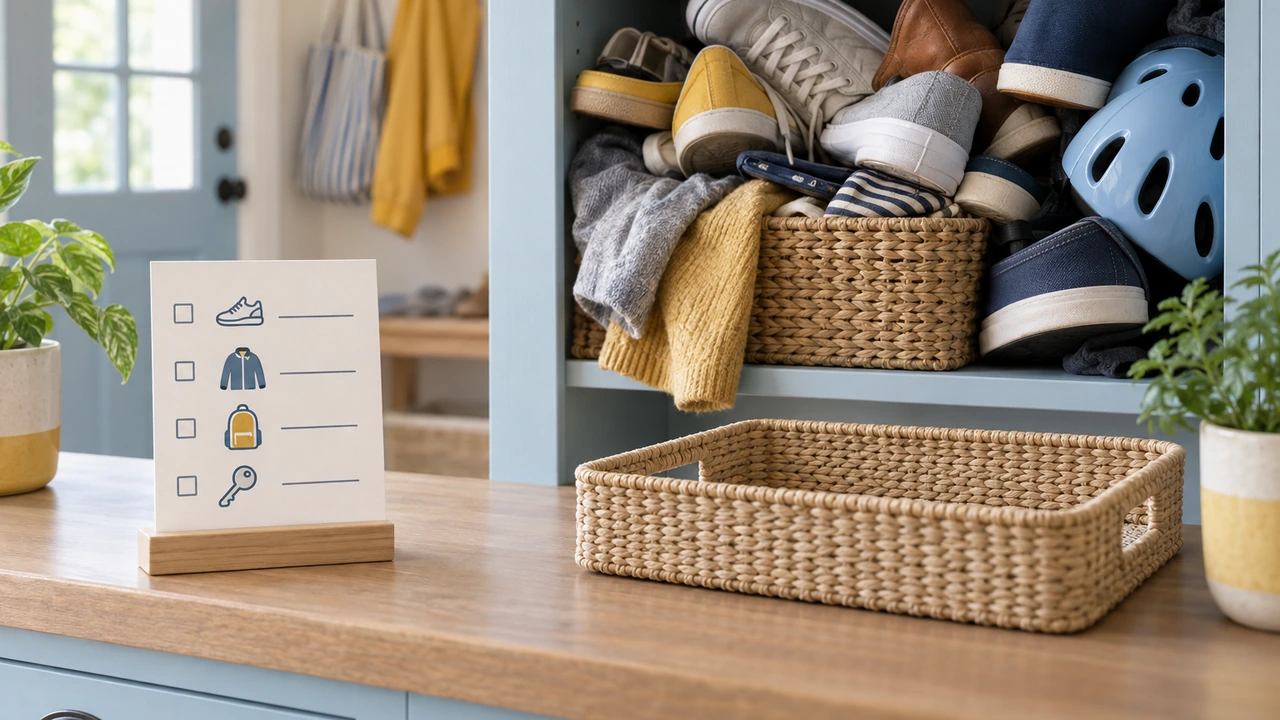
Map the objects you bring home and take out, then assign a small landing place using furniture and containers you already have.
Declutter sentimental belongings without deciding everything at once
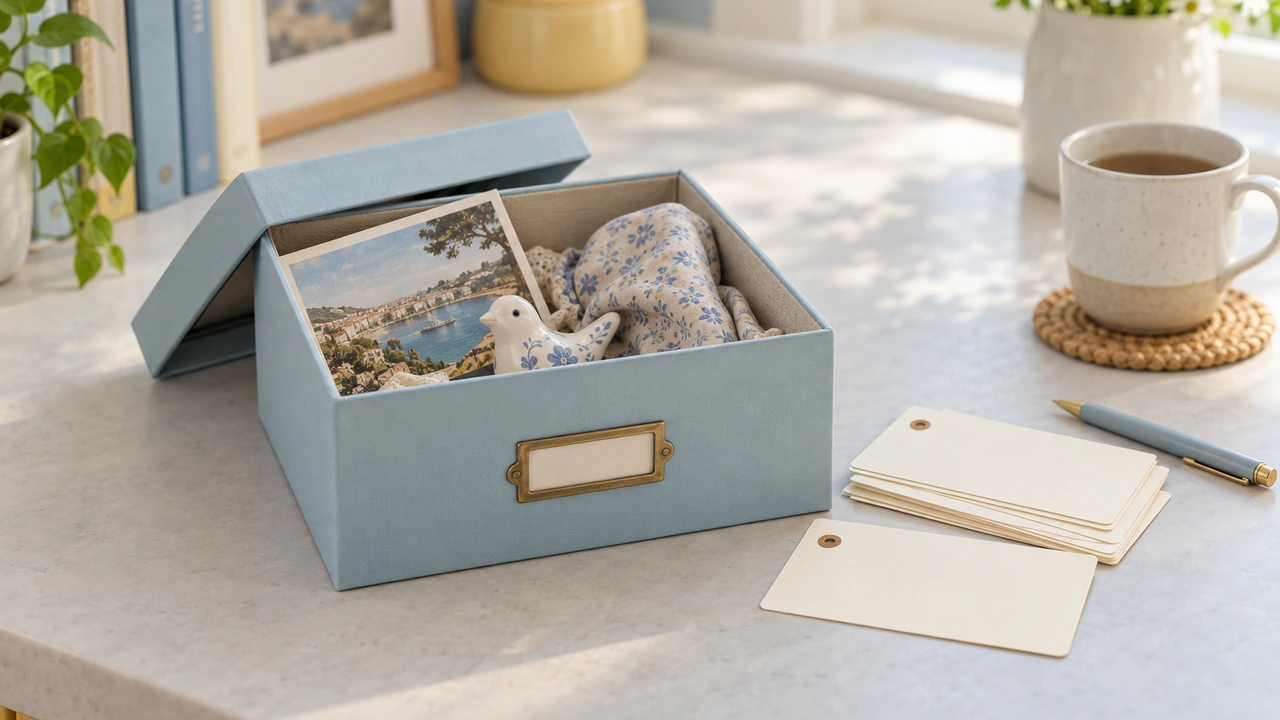
Keep track of sentimental belongings you are not ready to decide about, using a small index that preserves context and names the open question.
Choose a home for an item that never gets put away
Work out why one household item never reaches its storage place, with a decision tree for unclear locations, full shelves and awkward returns.
Daily routines
A plan that fits your day.
Turn recurring household tasks into clear, adjustable plans you can share.
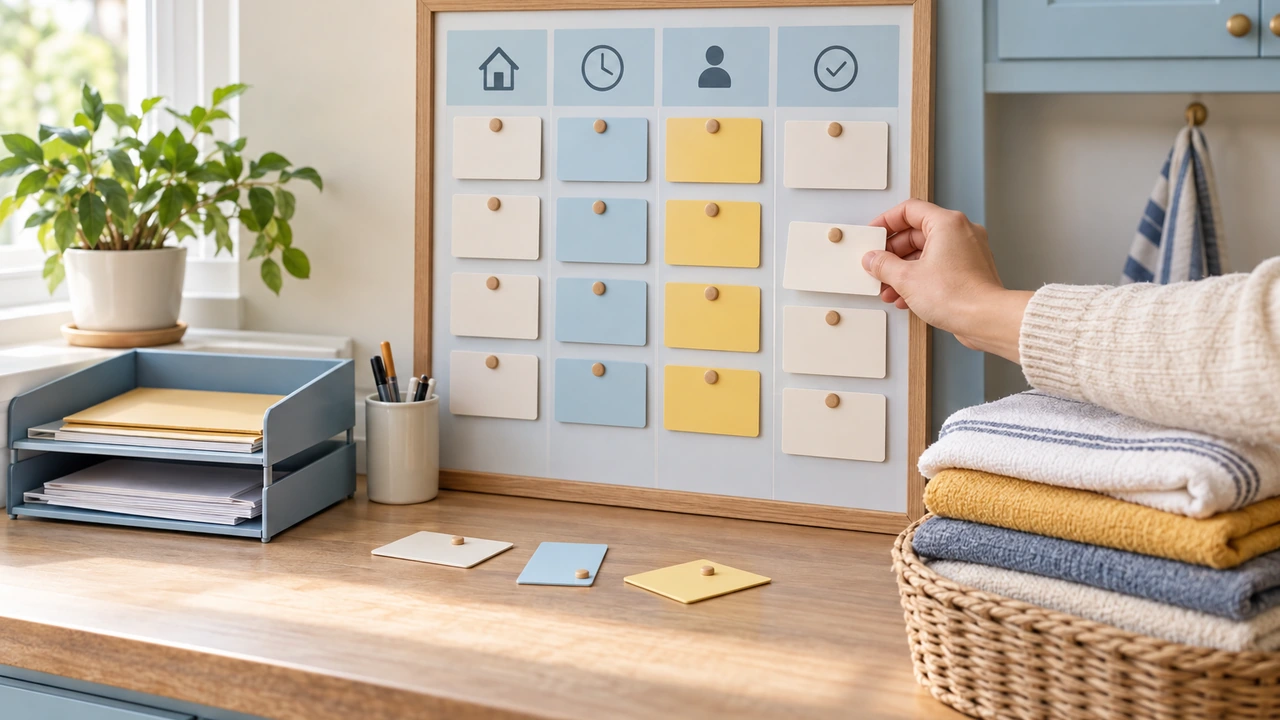
Build a household task list you can revise
Make a flexible household task list with clear triggers, agreed owners and a visible finishing point for each recurring job.
Make a shared chore agreement concrete
Turn a vague chore into an agreed task with a clear start, finish and handoff, using practical household examples.
Review a household routine that nobody follows
Review an unused household routine by recording where it stops, then try one specific change to the task, trigger, location or handoff.
Household products
Know what you are choosing.
Understand dimensions, labels and model-specific instructions before making a decision.
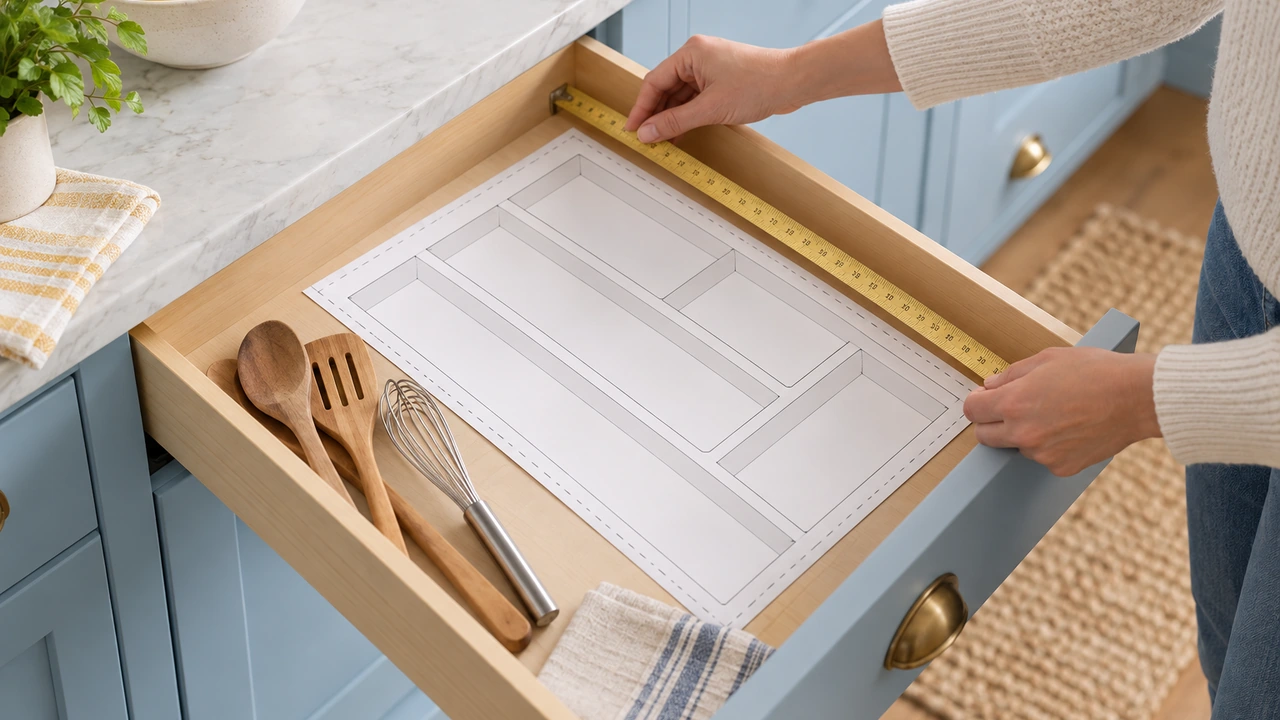
Measure for a drawer organizer before buying
Measure usable drawer width, depth and height, then compare the exact organizer specifications with a paper footprint before buying.
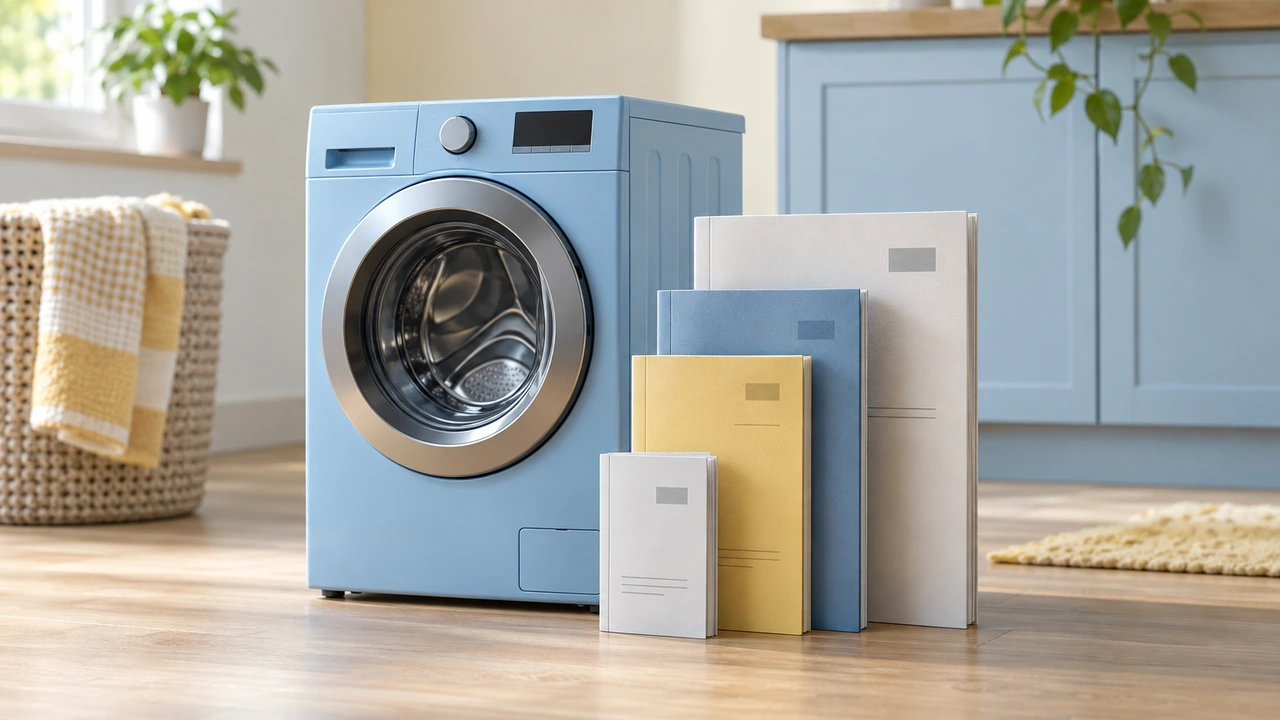
Find the manual that matches your appliance
Find an official appliance manual by matching the complete model identifier, region and document scope before saving a household reference.
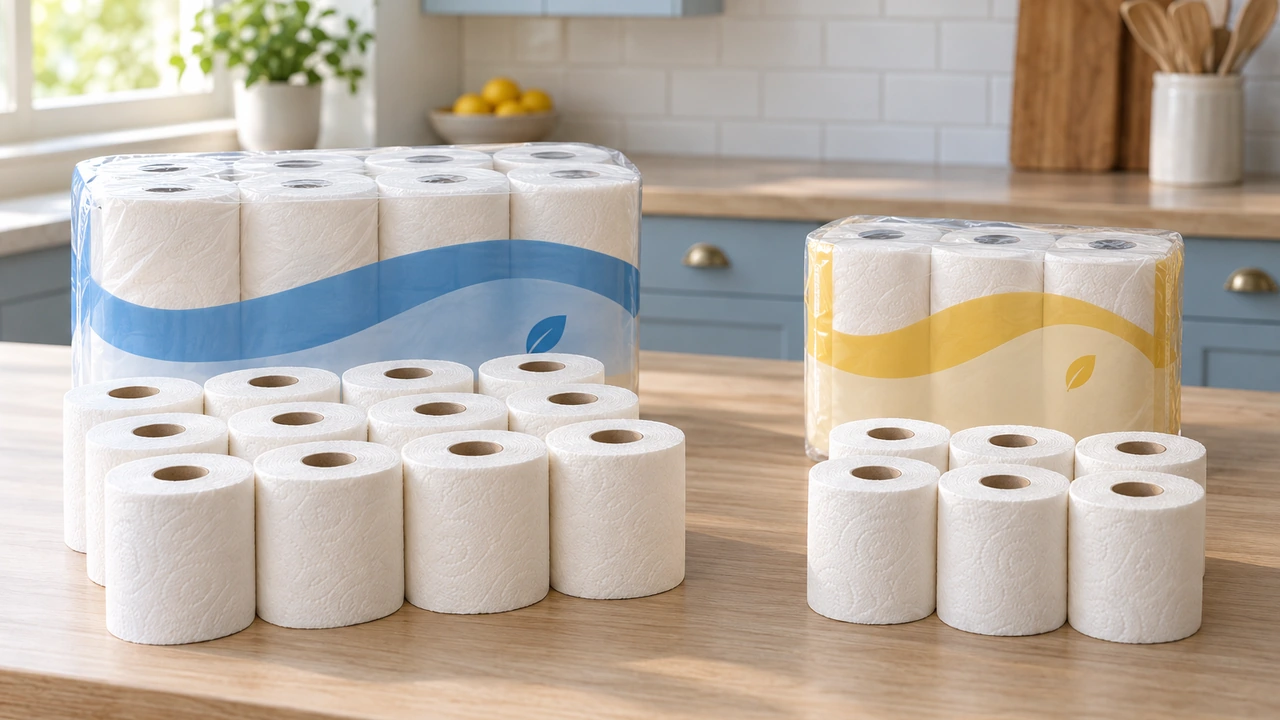
Read household package sizes consistently
Compare household package quantities using matching units and pack counts, with worked examples for volume and counted items.